
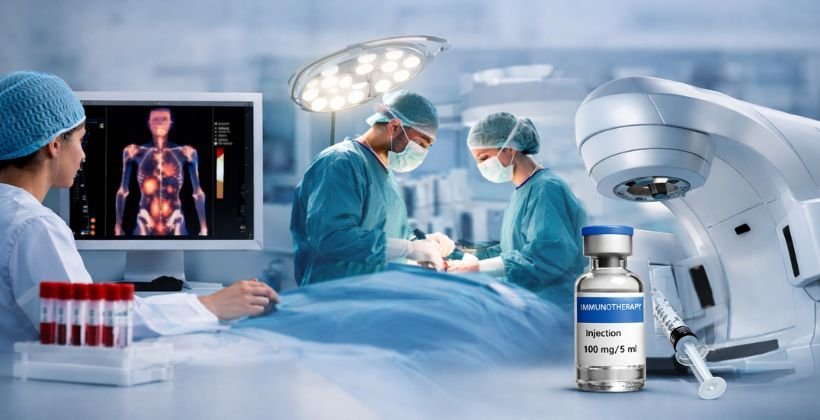
India is renowned globally for providing comprehensive and advanced oncology treatments. With internationally accredited hospitals (JCI, NABH) and top-tier oncologists, the country offers exceptional care for various types of cancers, including breast, lung, prostate, and blood cancers.
Hospitals are equipped with the latest technologies such as TrueBeam STx, CyberKnife, Proton Therapy, and Da Vinci Robotic Surgery systems, ensuring precise and effective treatment.
Procedure
The oncology treatment protocol in India typically involves a multi-disciplinary tumor board approach, ensuring a personalized treatment plan for every patient. Treatment modalities may include:
- Surgical Oncology: Complex tumor removals, often utilizing minimally invasive and robotic techniques for faster recovery.
- Medical Oncology: Advanced chemotherapy, targeted therapy, and immunotherapy protocols.
- Radiation Oncology: High-precision radiation therapies like IMRT, IGRT, and Stereotactic Radiosurgery (SRS).
- Bone Marrow Transplant (BMT): For blood cancers and severe blood disorders.
Benefits
- World-Class Expertise: Access to globally trained and highly experienced oncologists.
- Advanced Technology: Utilization of cutting-edge diagnostic and therapeutic equipment.
- Cost-Effective Care: Treatment costs are significantly lower (often 60-80% less) compared to the US or UK, without compromising on quality.
- No Waiting Times: Immediate access to consultations and treatments.
- Comprehensive Support: Specialized international patient departments offering visa assistance, translation services, and accommodation.
Risks
Like any major medical intervention, cancer treatments carry risks which vary depending on the specific modality (surgery, chemotherapy, radiation) and the patient's overall health. Common side effects may include fatigue, hair loss, infection risk, or localized pain. However, Indian hospitals follow strict international protocols to manage and minimize these risks effectively.
Recovery
Recovery time depends entirely on the type of cancer and the treatment received. While some targeted therapies require minimal downtime, major surgeries may require a few weeks of recovery. Dedicated rehabilitation and palliative care teams are available to support patients through their recovery journey.